TPMS Sensors

Tire pressure sensors for truck tires

Monitor pressure and temperature on every tire with TPMS sensors designed for trucks, semi-trucks, trailers and semi-trailers. We offer different heavy-transport sensor types based on valve type, wheel count and the operating conditions of each unit.

Compatibility is confirmed with the exact specifications of your unit and your monitor.

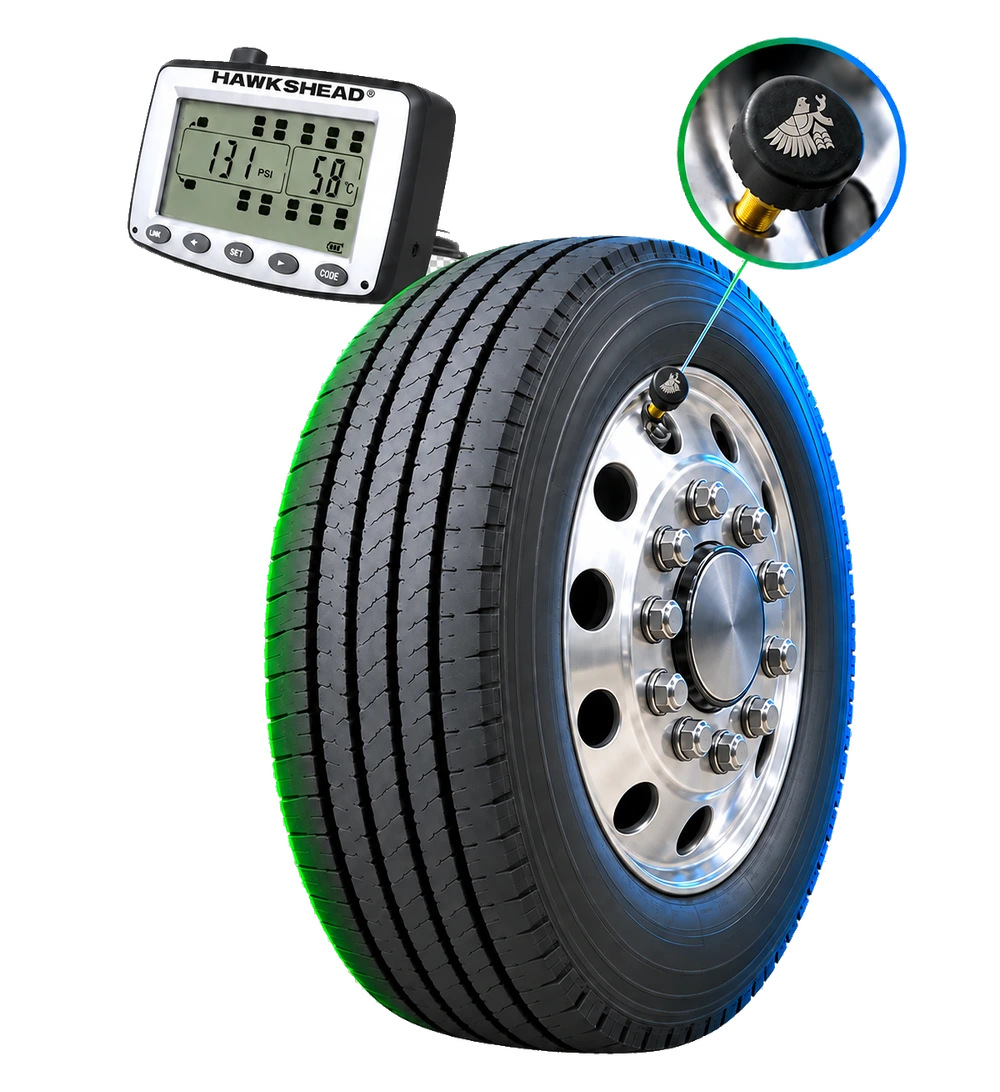
Truck tire with a TPMS pressure sensor and wireless monitor
Before choosing

Choose the right TPMS sensor for your truck

Not all pressure sensors are compatible with the same valves, working ranges or applications. Before choosing a sensor, consider:

  • Truck or trailer type.
  • Number of tires.
  • Operating pressure.
  • Valve type and diameter.
  • Wheel accessibility.
  • Inner or outer position.
  • Compatibility with the TPMS monitor.
  • Working conditions.
  • Need for additional durability.
  • Distance between the sensors and the monitor.

An incorrect selection can complicate installation, prevent inflation, limit communication with the monitor or apply a pressure range unsuited to the unit.

Help me choose the sensor
Sensor types

Types of pressure sensors for truck tires

Flotal offers TPMS sensors for different heavy-transport configurations. The selection depends on valve type, pressure and operating conditions.

External sensors for trucks
TPMS

External sensors for trucks

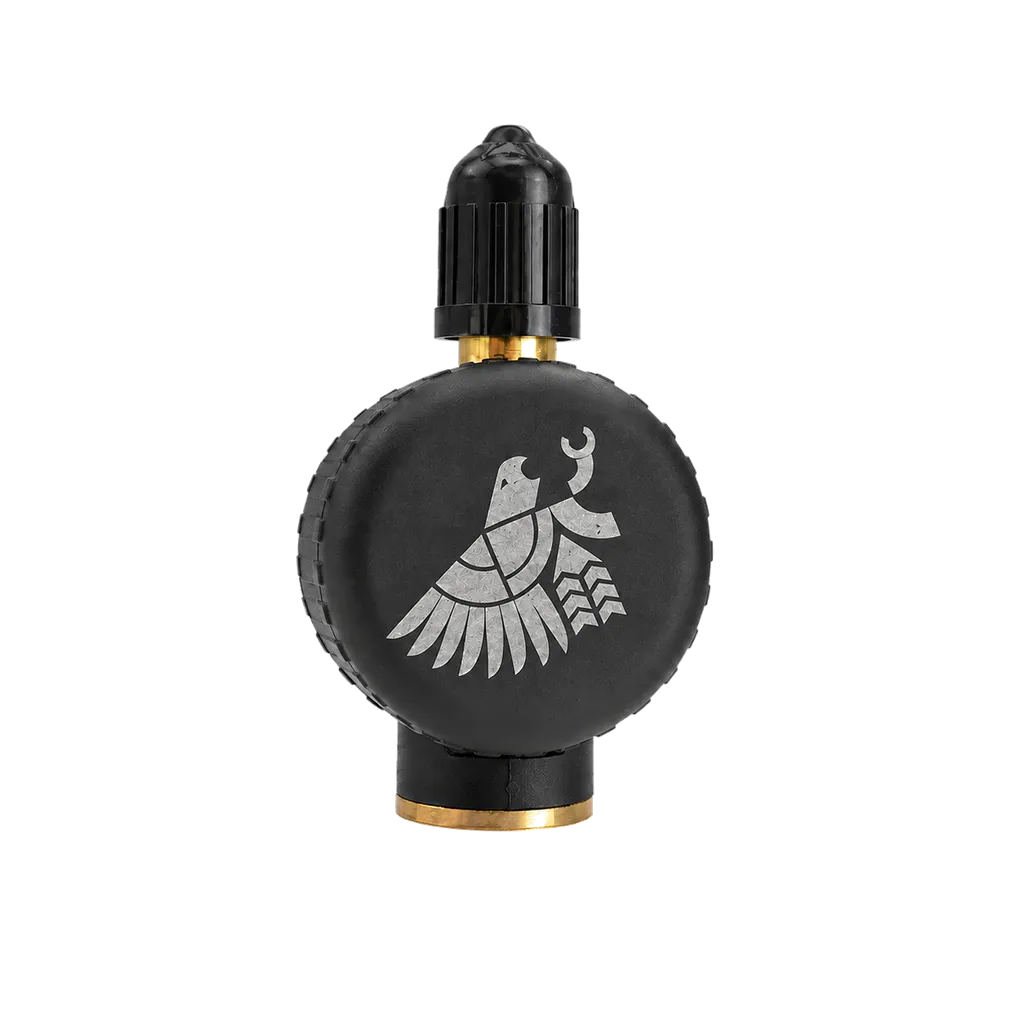
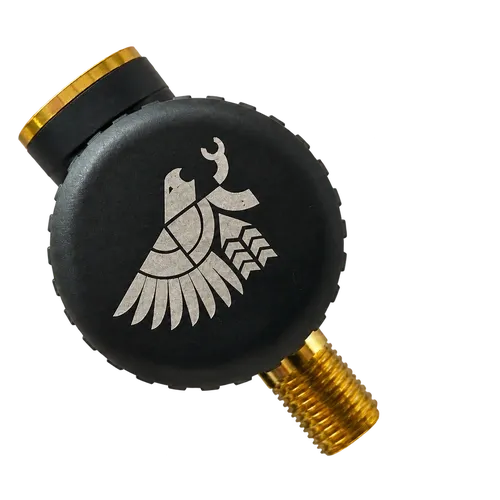
External sensors are installed directly on the tire valve and transmit pressure and temperature information to the monitor. Their installation allows placing, removing or replacing the sensor without dismounting the tire. They suit configurations where valves are accessible and compatible with the weight, size and connection type of the sensor.

Common applications

  • Light and medium trucks.
  • Semi-trucks.
  • Trailers.
  • Semi-trailers.
  • Buses.
  • Service vehicles.
  • Units with a compatible metal valve.

Main advantages

  • External installation.
  • Individual reading per position.
  • Pressure and temperature monitoring.
  • Replacement without dismounting the tire.
  • Option to expand a compatible system.
  • Access to a replaceable battery when the model allows it.
Request external sensor quote
Heavy-duty sensors
TPMS

Heavy-duty sensors

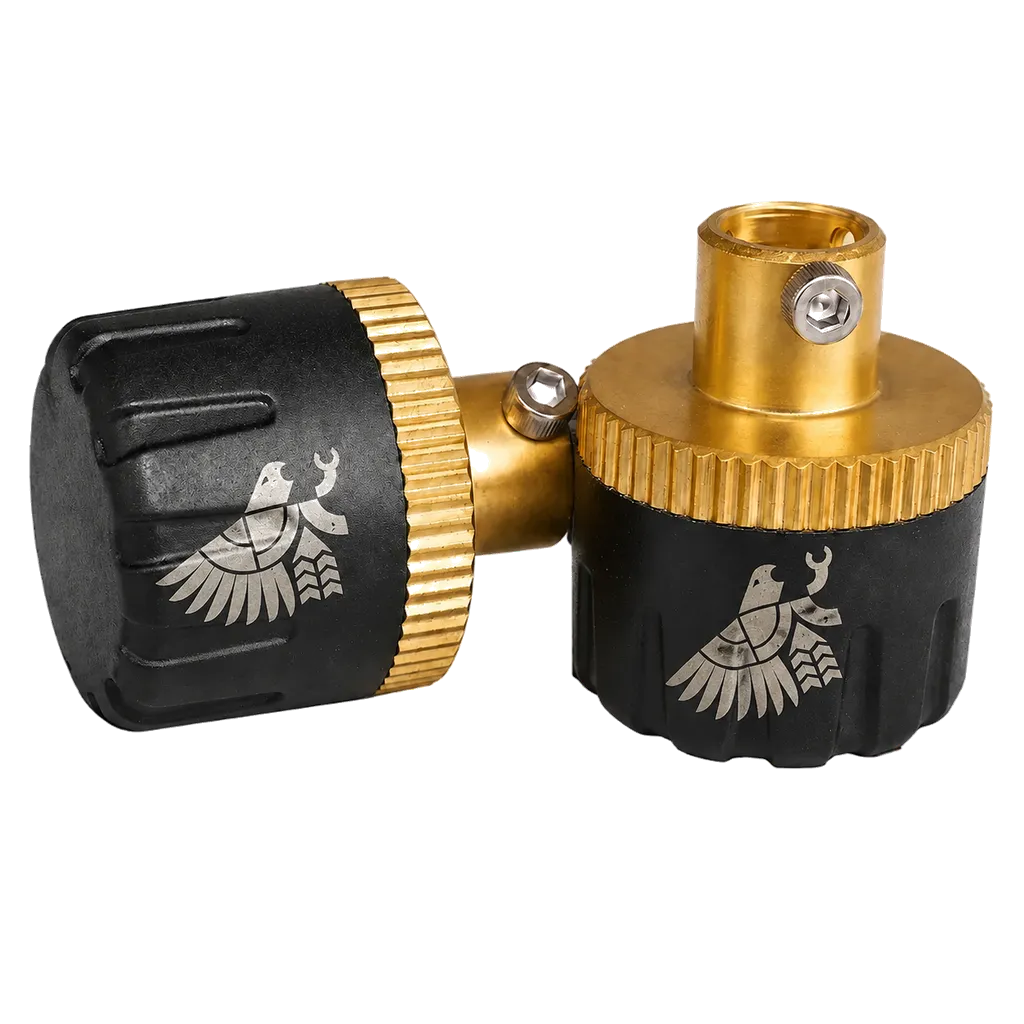
Heavy-duty sensors are designed for heavy-transport applications that require a robust connection and greater durability during operation. They can be used on trucks, semi-trucks, trailers and other units where working conditions demand something different from a conventional external sensor.

Compatibility must be confirmed based on

  • Working pressure.
  • Valve type.
  • Thread and diameter.
  • Mounting position.
  • Exposure to impact or vibration.
  • Monitor model.
  • Transmission distance.

Common applications

  • Semi-trucks.
  • Semi-trailers.
  • Cargo transportation.
  • Units with intensive mileage.
  • Configurations with high pressure.
  • Operations that require greater sensor durability.
Request heavy-duty quote
Large bore sensors
TPMS

Large bore sensors

Large bore sensors are designed for larger-diameter valves used in certain machinery, heavy-transport and large-tire applications. They should not be selected based on the appearance of the valve alone. Measurements, working pressure and monitor compatibility must be confirmed.

Common applications

  • Large tires.
  • Heavy machinery.
  • Equipment with large bore valves.
  • Units with high working pressure.
  • Special transportation applications.

Confirm before requesting a quote

  • Valve type.
  • Connection diameter.
  • Pressure range.
  • Wheel type.
  • TPMS system model.
  • Number of positions.
Ask about large bore sensors
How it works

How does a truck TPMS sensor work?

A TPMS sensor measures tire conditions and transmits the information to a compatible monitor.

  1. The sensor is installed on the valve

    The mounting type depends on the sensor, the valve and the wheel configuration.

  2. It records pressure

    The sensor detects the tire air pressure and sends the reading to the monitor.

  3. It monitors temperature

    Compatible sensors also record temperature to identify abnormal changes during operation.

  4. It transmits the information

    The signal is sent wirelessly to the TPMS monitor installed in the cab or to the receiving component of the system.

  5. The system identifies each position

    Each sensor is configured to match a specific position on the truck, semi-truck or trailer.

  6. Alerts are generated

    The monitor warns when pressure or temperature exceeds the configured parameters.

What do pressure sensors monitor?

Low pressure
The system can alert when a tire falls below the level defined for the operation.
High pressure
Pressure above the established parameter may also require review.
Rapid air loss
The sensor can help identify a sudden drop that requires stopping and checking the unit.
High temperature
An abnormal increase may be related to low pressure, friction, brakes, bearings or another mechanical condition.
Individual position
Each sensor is linked to a position so the operator can identify which tire needs attention.

Sensors do not diagnose the mechanical cause of an alert on their own. The condition must be confirmed through a physical inspection.

By configuration

TPMS sensors for your fleet

Sensor selection depends on operating pressure, valve type and monitor model.

Light and medium trucks

They usually require external sensors for configurations of up to 6 wheels.

Semi-trucks

They require one sensor per position (e.g. 10 sensors for 10 tires), plus the monitor and the necessary accessories.

Trailers and semi-trailers

Because of distance and metal structures, a signal booster may be required to ensure communication with the monitor in the cab.

Dual wheels

Ensuring access to the valves is essential; metal valves, extensions, adapters or T-type valves can be used.

Do you need one sensor, a kit or the complete system?

Every fleet has unique requirements, so we offer flexible, tailored options that match exactly what your units need:

Replacement sensors

Ideal if you need to replace a damaged or lost sensor in a system that is already running.

Sensor kits

Packages designed to configure the exact number of sensors for each unit type (truck, semi-truck or trailer).

Complete TPMS systems

The end-to-end option including monitor, sensors, T-valves and accessories, ideal to start monitoring from scratch.

We focus on personalized support, reviewing the technical specifications of your equipment — valve type, monitor model and operating conditions — to recommend exactly the configuration your fleet requires.

Differences between external, heavy-duty and large bore

External sensor

Main application
Trucks and trailers with a compatible valve
Installation
On the valve
Working pressure
Depends on the model
Valve type
Metal or compatible
Frequent use
Truck, semi-truck and trailer
Required validation
Monitor, pressure and valve

Heavy-duty sensor

Main application
Heavy transport and demanding conditions
Installation
Depending on configuration and connection
Working pressure
Oriented to higher working ranges
Valve type
Must be validated
Frequent use
Intensive heavy transport
Required validation
Monitor, pressure, thread and operation

Large bore sensor

Main application
Large-diameter valves and special applications
Installation
On a compatible large bore valve
Working pressure
Depends on the sensor and application
Valve type
Large bore
Frequent use
Machinery and large tires
Required validation
Diameter, pressure and monitor

The table is a guide. The final selection must be made with the exact specifications of the unit and the system.

Benefits

Benefits of monitoring every tire with TPMS sensors

From detection to protection

Detect a pressure loss

The sensor lets you observe changes during the trip, not only when the unit is parked.

Identify the affected position

The monitor indicates which tire shows a condition outside the established range.

Act on an alert before a failure

The information allows checking the unit before the air loss causes greater damage.

Protect tire service life

Operating with incorrect pressure can cause irregular wear, heat build-up and casing damage.

Benefits that grow with the operation

Complement inspections

Sensors provide continuous information, while the physical inspection confirms the condition of the tire, valve, rim and mechanical components.

Monitor trailers

A properly configured system can include positions on both the semi-truck and the trailer.

Expand an existing system

When the monitor has available capacity, compatible sensors can be added for more positions.

Continuous monitoring supports faster decisions while physical inspection confirms the actual condition of the tire.

TPMS sensors and Flotal

From in-cab monitoring to tire management

Sensors can be used with a standalone monitor to show pressure, temperature and alerts during operation. They can also be part of a broader tire management strategy with Flotal.

Monitoring through TPMS sensors

  • Pressure by position.
  • Temperature.
  • Alerts.
  • Identification of the affected tire.
  • Readings during operation.

Tire management with Flotal

Full control
  • Tire inventory.
  • Association with units and positions.
  • Inspections.
  • Movement history.
  • Rotations.
  • Maintenance.
  • Retreading.
  • Retirement.
  • Cost per mile indicators.
  • Service life traceability.

A solution that grows with your fleet

Flotal can be offered as standalone software, standalone TPMS or a combined solution.

Frequently asked questions

Frequently asked questions about truck TPMS sensors

Compatibility, sensor count per unit, temperature and replacements. If your case is not covered here, we review it with the specifications of your unit.

Need to confirm compatibility?

Tell us the valve type, the monitor and the units you want to monitor.

Check compatibility
Do all TPMS sensors work with any monitor? +
No. Sensors must be compatible with the frequency, protocol and model of the monitor.
How many sensors does a semi-truck need? +
One sensor is needed for each position you want to monitor. A semi-truck with 10 tires normally requires 10 sensors.
Do TPMS sensors also measure temperature? +
Sensors compatible with the systems offered by Flotal monitor pressure and temperature. The exact functions must be confirmed for each model.
Can I buy a single replacement TPMS sensor? +
Yes, but the model and frequency of the system must be confirmed first.
Do external sensors require dismounting the tire? +
External sensors are placed on the valve and generally do not require dismounting the tire.
Does the sensor make inflating the tire harder? +
It may be necessary to remove the sensor or use a T-type valve, depending on the configuration.
What is a large bore sensor? +
It is a sensor compatible with larger-diameter valves used in certain large tires and special applications.
Do the sensors work without Flotal? +
Yes, when they are part of a TPMS system with a compatible monitor. Flotal adds management and tire lifecycle control features that benefit companies with large fleets.